

Finest Builders is your dedicated, licensed, full-service contractor in Pleasanton, CA, offering the kind of complete home remodeling services you’ve been looking for. One team, clear timelines, consistent quality, post construction follow-ups, and zero corners cut. In our 10+ years of experience in construction, we’ve remodeled homes of all styles and sizes. Our workmanship is covered by warranty and provides a clear plan to see your project to completion and beyond.
Our Full Home Remodeling Services
For your convenience, we offer full home renovations with a design-build approach. This means all work is done in-house. No juggling different contractors or critical communication slipping through the cracks.

Full home remodel
We specialize in full home renovations that update your entire property. This includes full gut and demo, layout changes to the main floor or upper level, permits, construction, system upgrades, and modern finishes. Every aspect is managed in house for a more organized process and one clear point of accountability.
Starting at $50,000+ (1,000 sq ft)

Kitchen Remodel
Need a more spacious and efficient kitchen? We redesign kitchens, improving workflow, storage, and appeal. Installing kitchen islands, new cabinets, flooring, countertops, backsplashes, and more using durable materials suitable for daily use. No matter what your goal is for your new kitchen, Finest Builders can deliver.
Starting at $25,000+

Bathroom Remodel
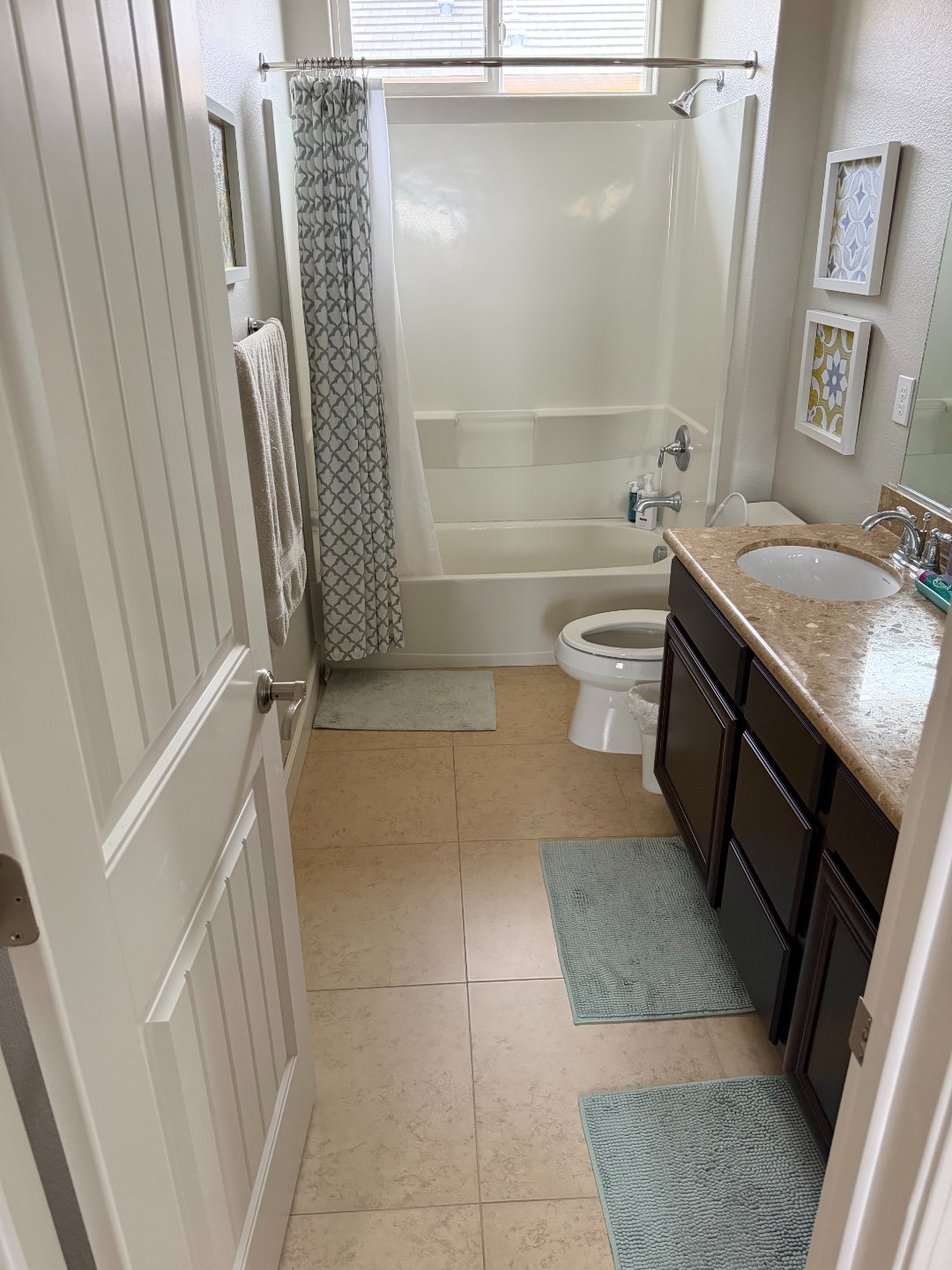
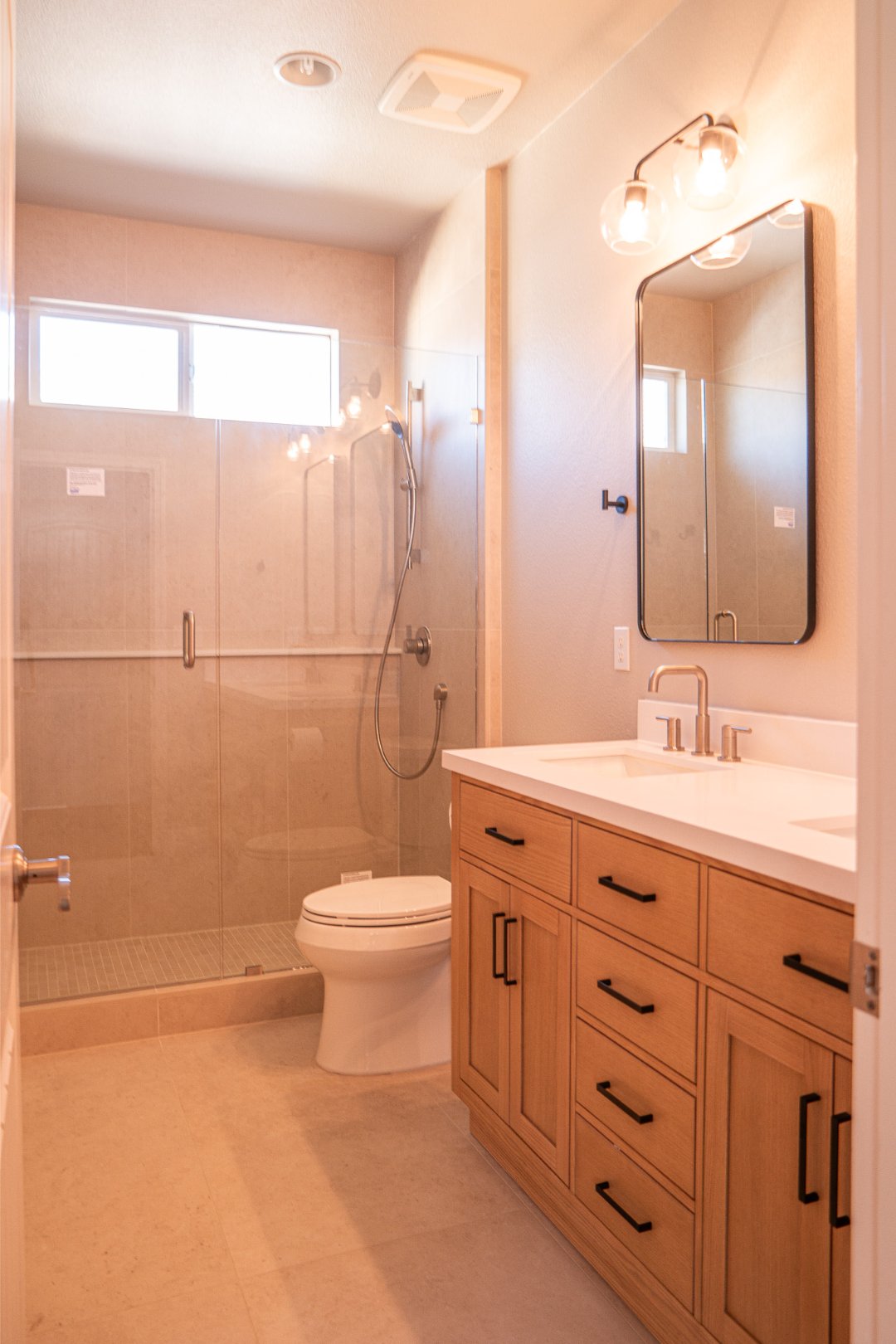
Our bathroom remodeling services offer endless possibilities. We upgrade bathrooms of all sizes, improving layouts, and installing modern fixtures, and moisture-resistant finishes. Tub-to-shower conversions, accessible bathrooms, walk-in showers, new vanity, updated electrical and plumbing, all possible with Finest Builders.
Starting at $14,000+
Flexible Financing Options Available
We make it easier to move forward with your project without putting everything on hold.
Finest Builders offers flexible financing options, including plans with up to 0% APR, so you can invest
in your home with confidence.
Contact us for more details and we’ll help you find a solution that works for your budget.

Up to 0% APR
Flexible Financing
View Our Latest Home Remodeling Projects
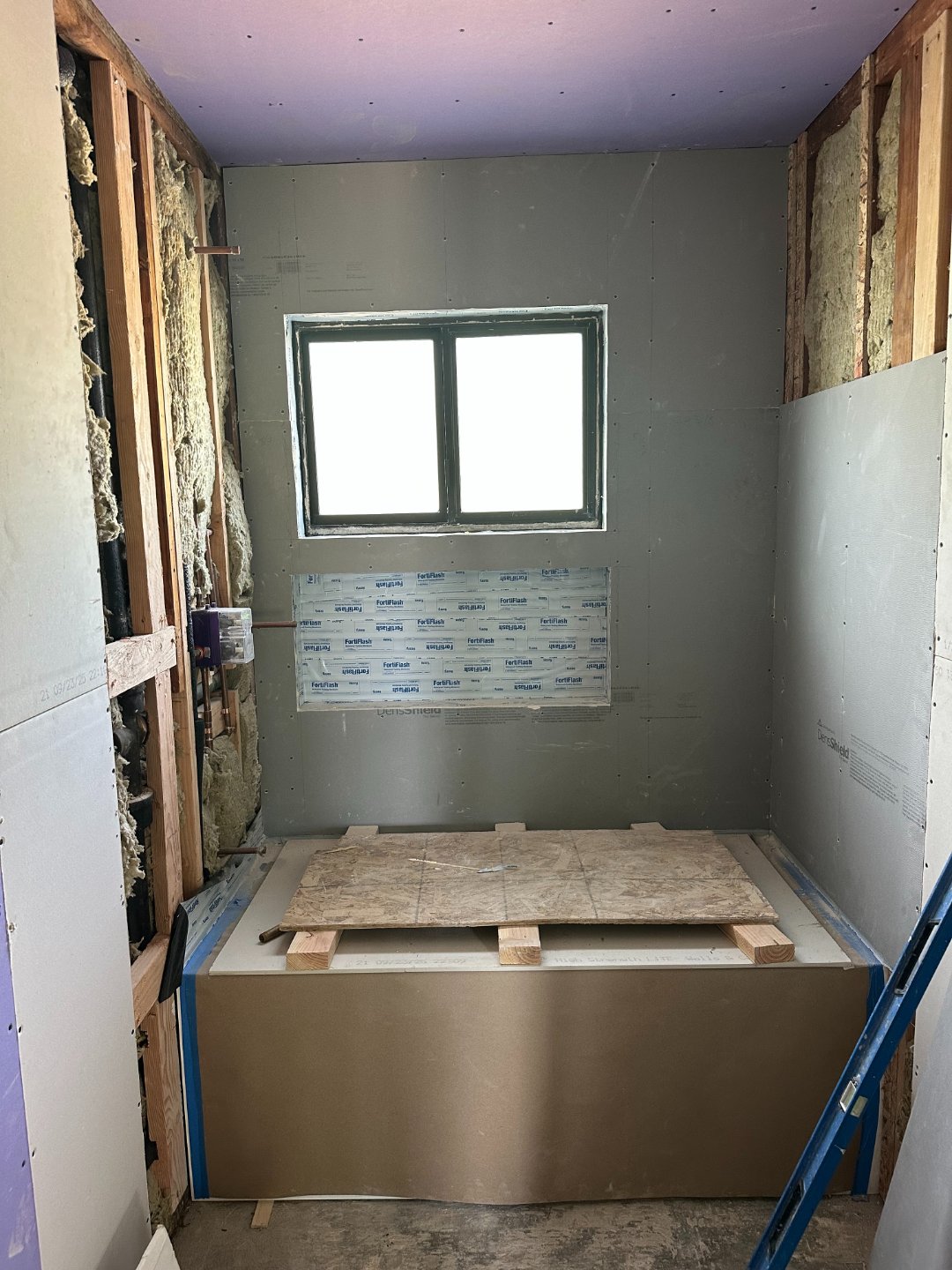
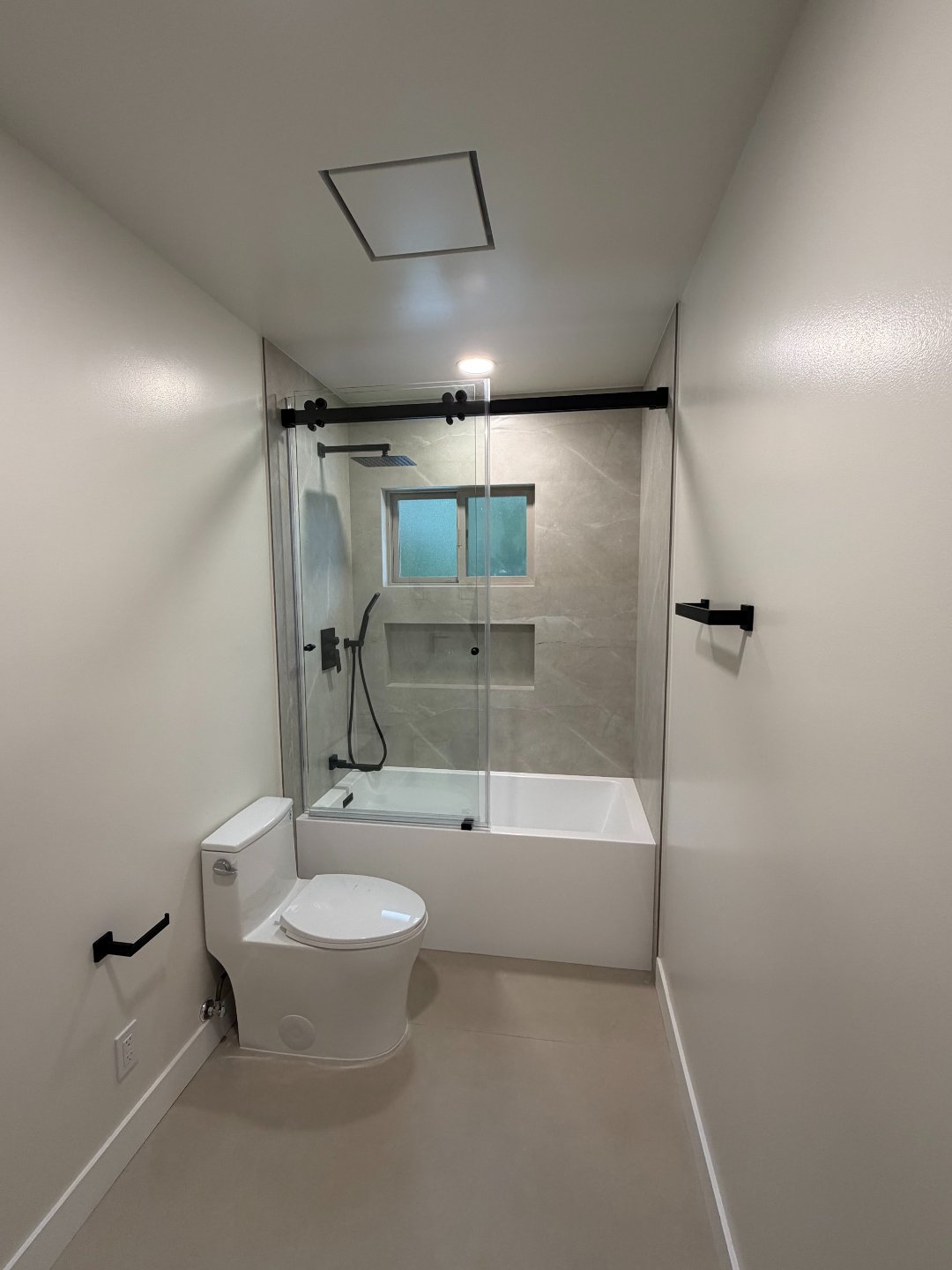
We are proud to share some recent projects completed by our Finest Builder team. Each project is unique in goal and style. Our portfolio includes full home remodels, complete with layout transformations and upgraded finishes.
Lafayette
Dublin
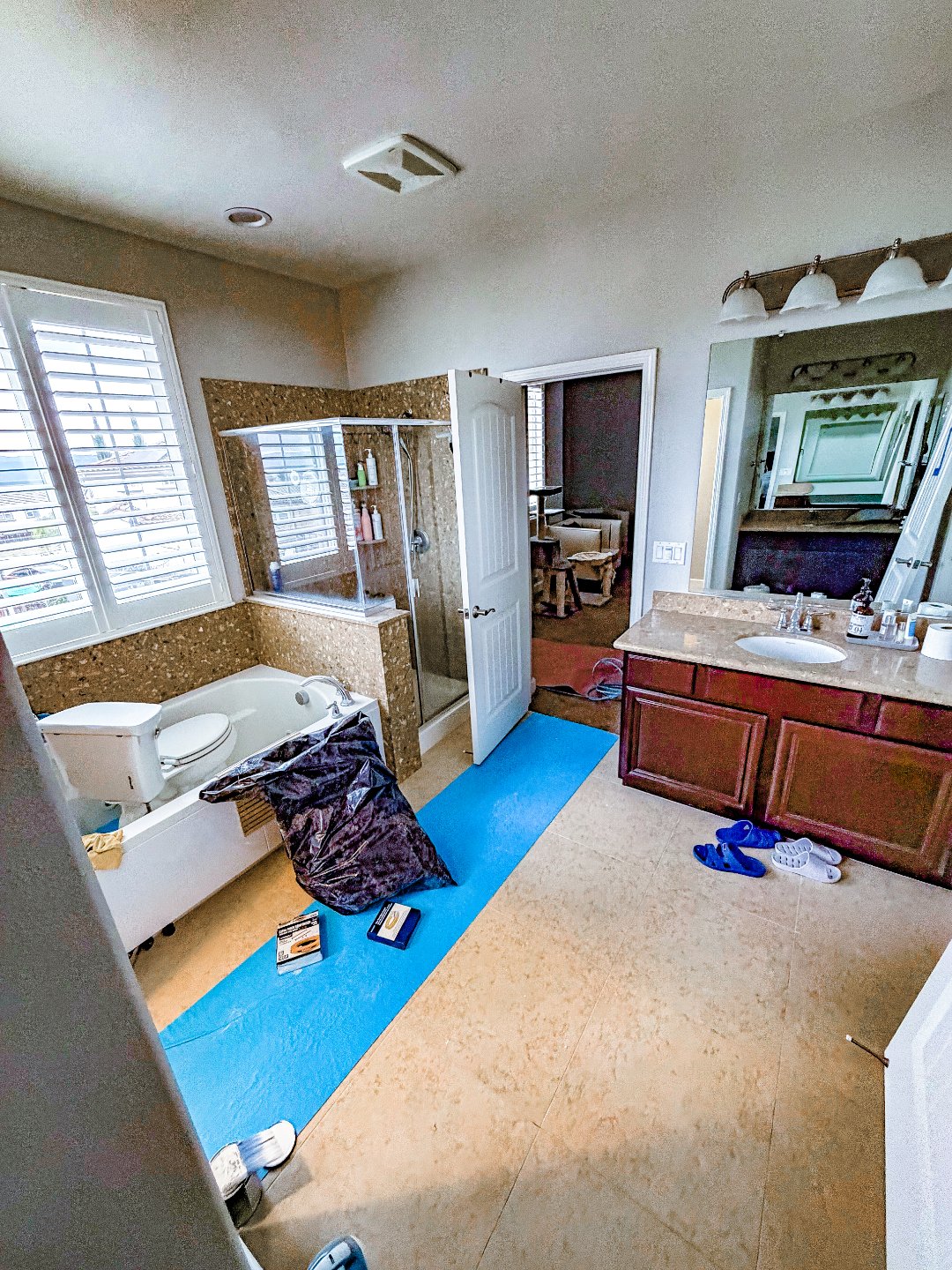
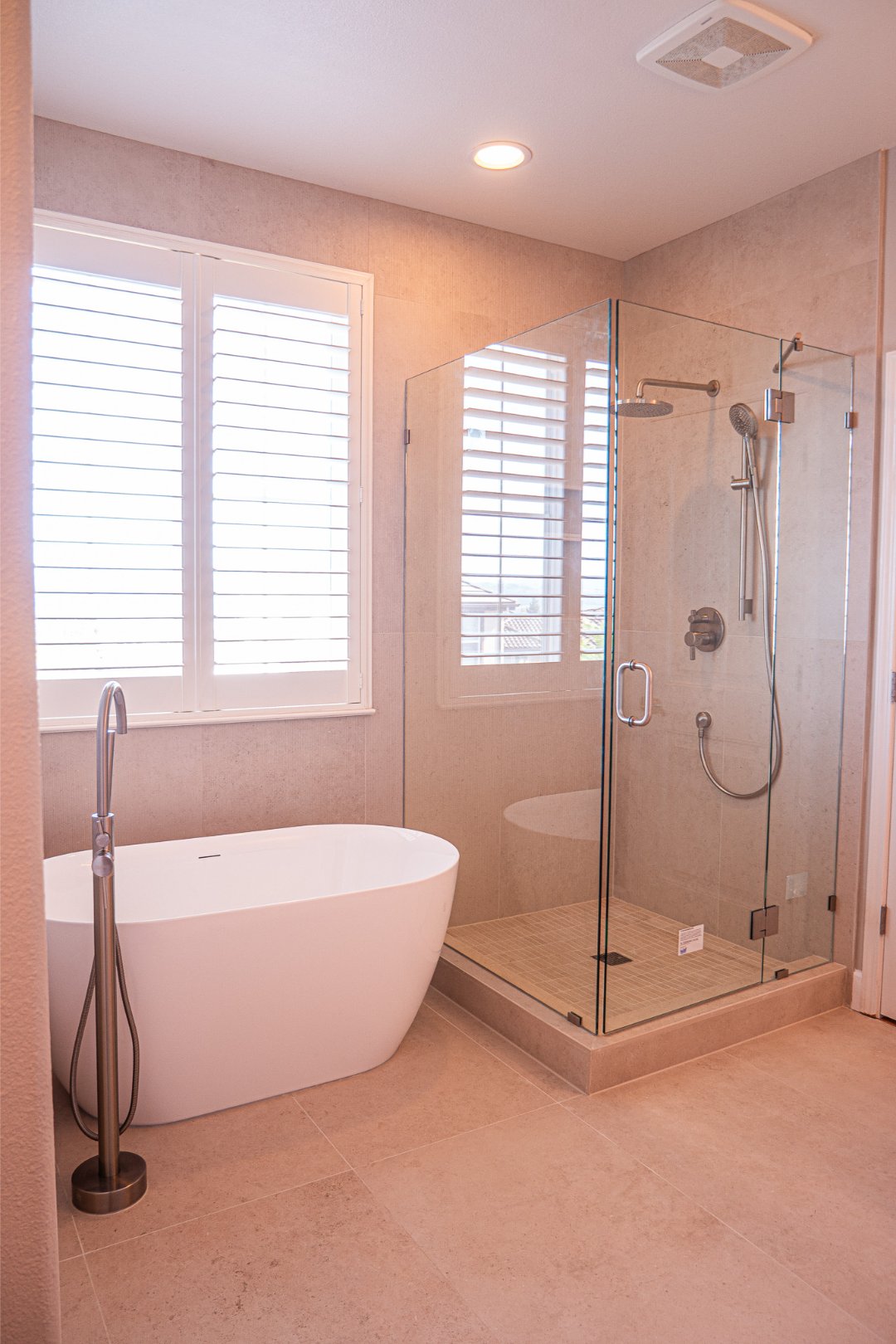
Dublin
Why Choose Finest Builders
We offer a systematic yet personal approach to home remodeling. Our goal with each project is to deliver a stress-free remodel. With one team managing your project, you get a team upfront about costs, stick to deadlines, and focus on delivering consistent results through experienced professionals.

Family-Owned Business
We approach your project with shared values and commitment, ensuring consistent standards and attention to detail.

Design Build Method
You have one team managing planning, design, and construction. This reduces delays, improves coordination and communication, and maintains quality.

2-Year Warranty
Each project is covered by warranty, giving you confidence in our workmanship and focus on long-term satisfaction.

Customer Service
We welcome your inquiries and are responsive to each request. Our support continues up to 6 months after project completion.

We Do It Once & Do It Right
We believe in doing the work the right way from the start through careful planning, close supervision, and consistent follow-through.
Years of Experience
Post-Project Check-In
Client Satisfaction Focus
Successful Projects
Real Reviews from Our Clients
Homeowners choose Finest Builders because we are a reliable remodeling company in Pleasanton. Our clients are confident in our expertise and trust our name based on consistent reputation, positive ratings, organized project management, timelines, and quality of work.



Top-Rated Remodeling Company in Pleasanton


From the start, their responsiveness stood out. They understood the urgency and were able to begin work immediately. To minimize disruption, they worked overnight after we closed, which allowed us to open for business the next morning without any interruption.
Throughout the process, they kept me fully informed with detailed updates, including photos and videos of them flooding the store to test if there were any leaks which gave me great peace of mind. By morning, the job was completed, and the space was left clean and ready as if nothing had happened.
Hiam and Israel were both professional, reliable, and a pleasure to work with. Their efficiency and dedication truly exceeded my expectations. I couldn’t be happier with the experience and would highly recommend Finest Builders to anyone in need of prompt, high-quality work.



The layout is so much more functional now, and every detail feels thoughtfully designed. The team was friendly, patient with all my requests, and delivered beyond my expectations. Cooking here has become my favorite part of the day



How Much Does a Full Home Remodel Cost?
Full home remodeling costs range between $50,000 and $200,000+. The cost will depend on home size, scope, and finishes. Most projects start from the ranges outlined below.
| Size | Starting Cost |
| 1,000 sq ft | $50,000+ |
| 2,000 sq ft | $100,000+ |
| 3,000 sq ft | $200,000+ |
Call The Finest Builders to Remodel Your Home
Start your full home remodeling project confidently with a reputable, experienced team. Contact Finest Builders to schedule your free consultation with us and receive a detailed estimate.
Home Remodelers Near You
If you’re searching for ‘home remodeling near me’ in Pleasanton, Finest Builders is your top choice. We provide reliable, full-service remodeling to homeowners in the following areas:
Check Availability in Your Area or Contact Us.